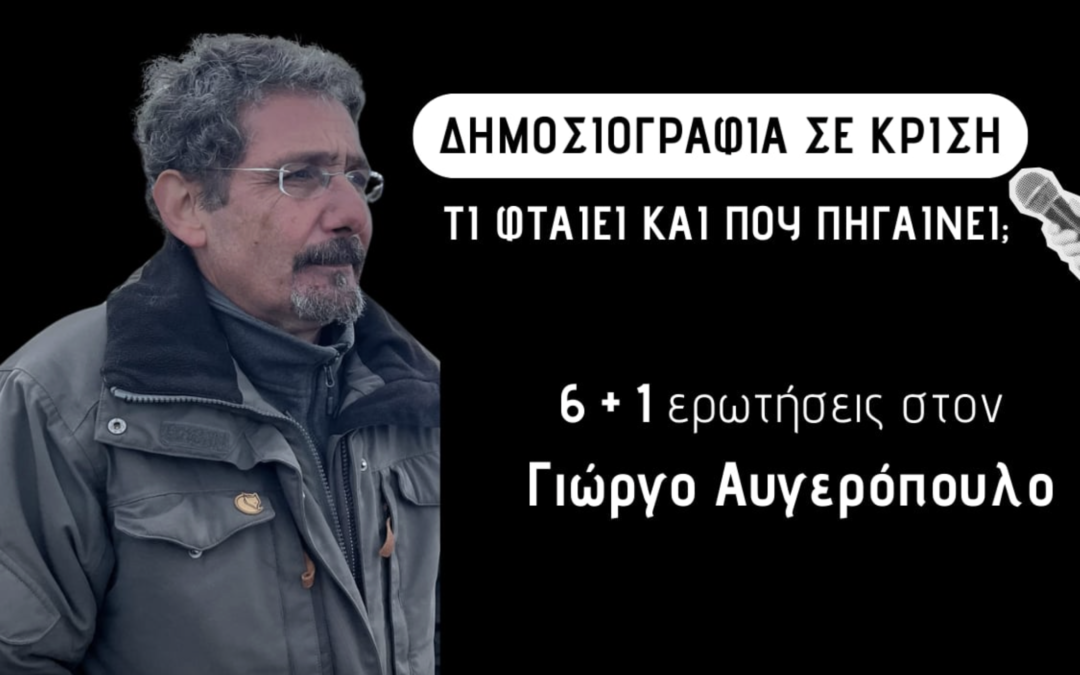
Yorgos Avgeropoulos interview with Parallaxi on the future of of journalism

Yorgos Avgeropoulos interview with Parallaxi on the future of of journalism

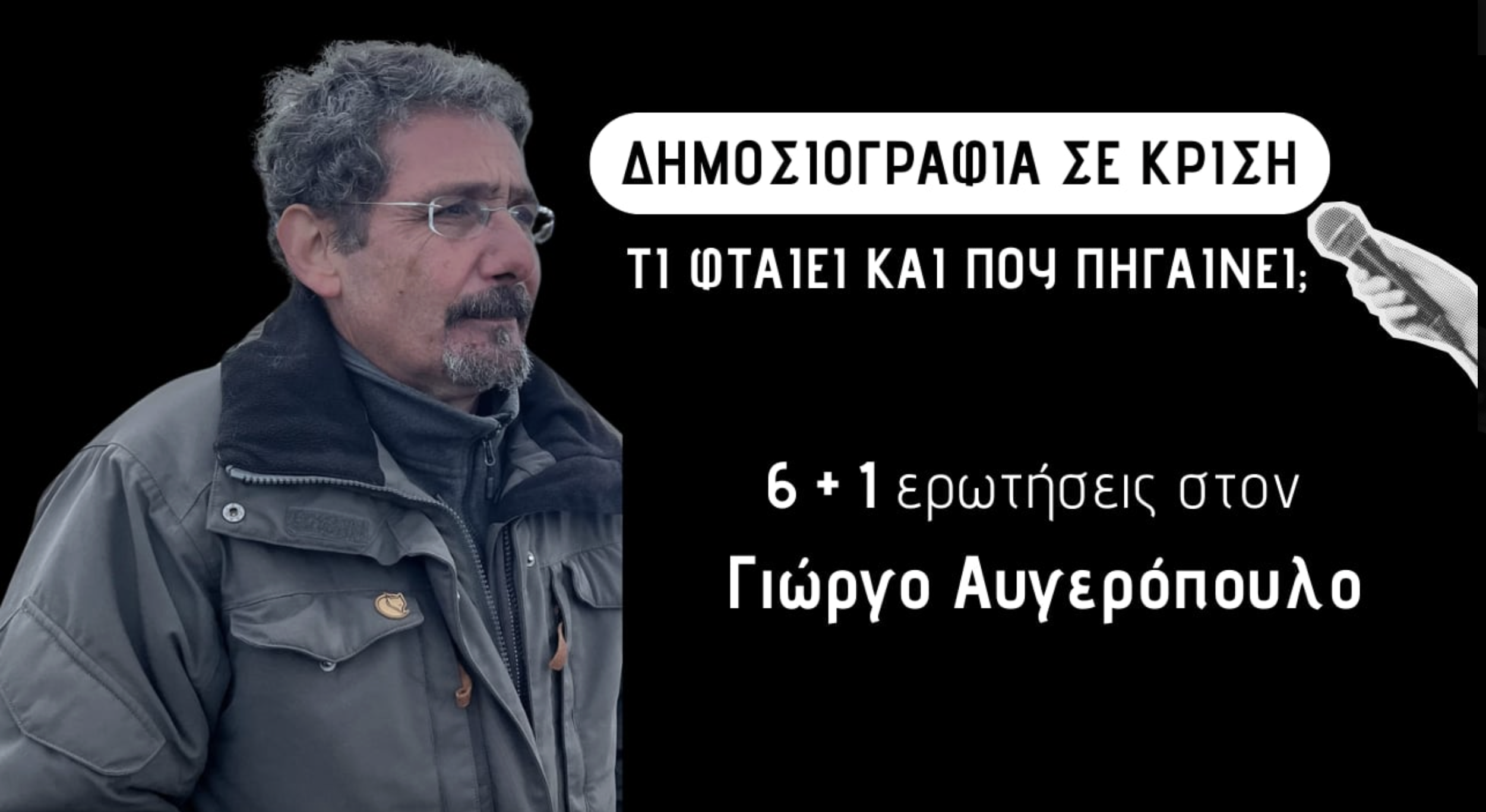
Journalism in Crisis. What is to blame and where is it heading? 6 + 1 questions are posed to Yorgos Avgeropoulos.

“The distinguished filmmaker and journalist answers Parallaxi’s questions about the future of journalism.”

🎙️ Yorgos Avgeropoulos: “Journalists must resist with more No’s than Yes’s.”

Read the full article in the link: https://parallaximag.gr/prosopa/synentefksi/giorgos-aygeropoylos-oi-dimosiografoi-prepei-na-antistekontai-me-perissotera-ochi-apo-nai


Yorgos Avgeropoulos on TV Without Borders with Foteini Lampridi reflecting on Mankind's Folly

Yorgos Avgeropoulos on TV Without Borders with Foteini Lampridi reflecting on Mankind's Folly

Yorgos Avgeropoulos on TV Without Borders with Fotini Lampridi | We recorded images of revelation – The planet is being destroyed

“Leaving the movie theater after the press screening, no journalist was talking about the script, the direction, or the flow of the film. What had swept us away was the sense of urgency it conveyed—an urgency that is hidden in the film’s title, ‘Mankind’s Folly’—and the apocalyptic images, ‘like Pink Floyd album covers,’ as Yorgos Avgeropoulos admits in the interview that follows. In the small groups of conversation, questions were being asked such as: ‘How much time do we have?’, ‘Can we prevent it if capitalism is not overthrown?’, ‘What will we do?’”

▶️ You can find the link to the interview here ►https://tvxs.gr/…/giorgos-aygeropoylos-sto-tvxs…/

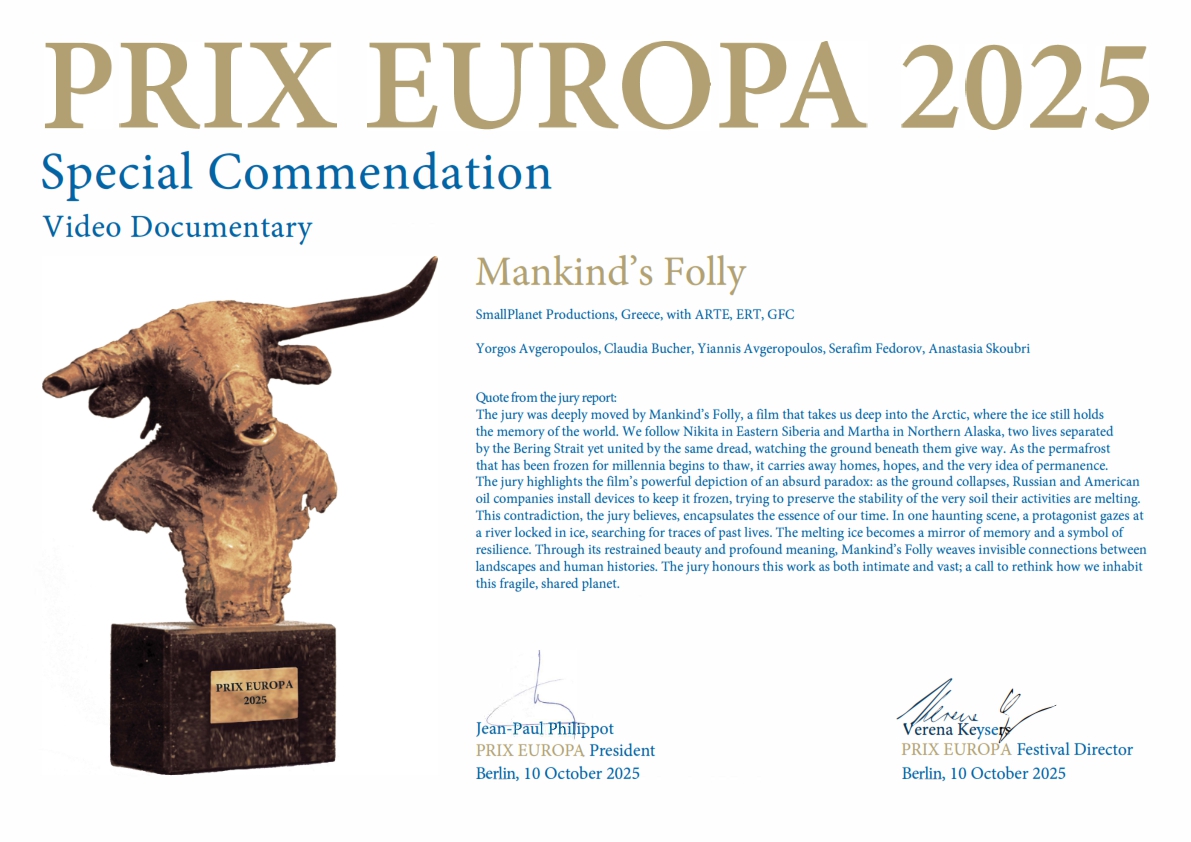
Reasoning for the special commendation of Mankind's Folly at Prix Europa

Reasoning for the special commendation of Mankind's Folly at Prix Europa

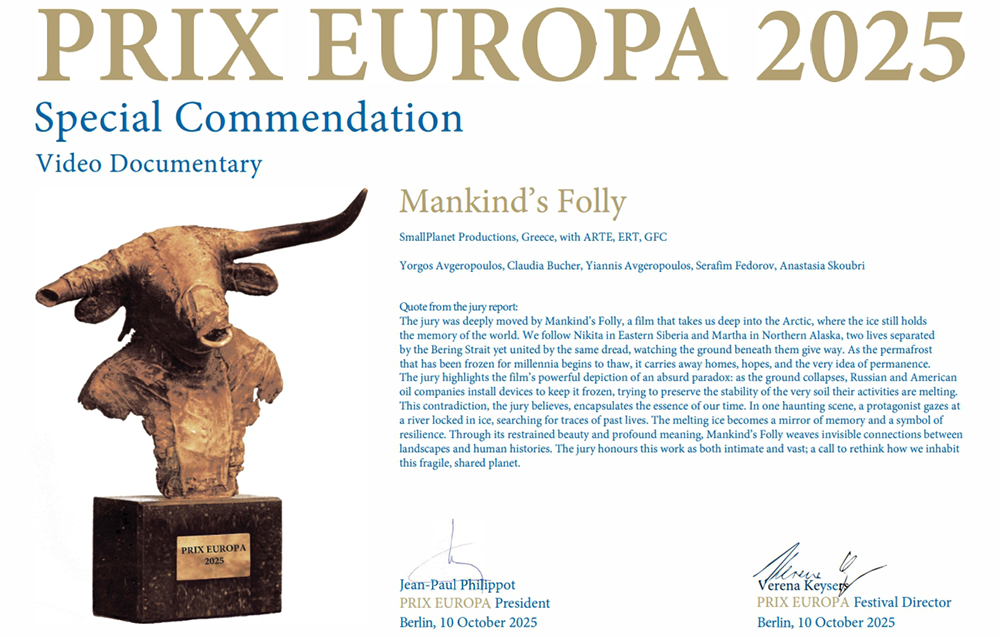
The Prix Europa – Media Competition for all over Europe 2025 has just sent us the reasoning for the award of Mankind’s Folly, by Yorgos Avgeropoulos, which received the Special Commendation in the Documentary category.

Excerpt from the report:

“The jury was deeply moved by Mankind’s Folly, a film that takes us deep into the Arctic, where the ice still holds the memory of the world. We follow Nikita in Eastern Siberia and Martha in Northern Alaska, two lives separated by the Bering Strait yet united by the same dread, watching the ground beneath them give way. As the permafrost that has been frozen for millennia begins to thaw, it carries away homes, hopes, and the very idea of permanence.

The jury highlights the film’s powerful depiction of an absurd paradox: as the ground collapses, Russian and American oil companies install devices to keep it frozen, trying to preserve the stability of the very soil their activities are melting.

This contradiction, the jury believes, encapsulates the essence of our time. In one haunting scene, a protagonist gazes at a river locked in ice, searching for traces of past lives. The melting ice becomes a mirror of memory and a symbol of resilience. Through its restrained beauty and profound meaning, Mankind’s Folly weaves invisible connections between landscapes and human histories.

The jury honours this work as both intimate and vast; a call to rethink how we inhabit this fragile, shared planet.”

We are deeply honored and moved by the words of Prix Europa, to whom we extend our heartfelt thanks.

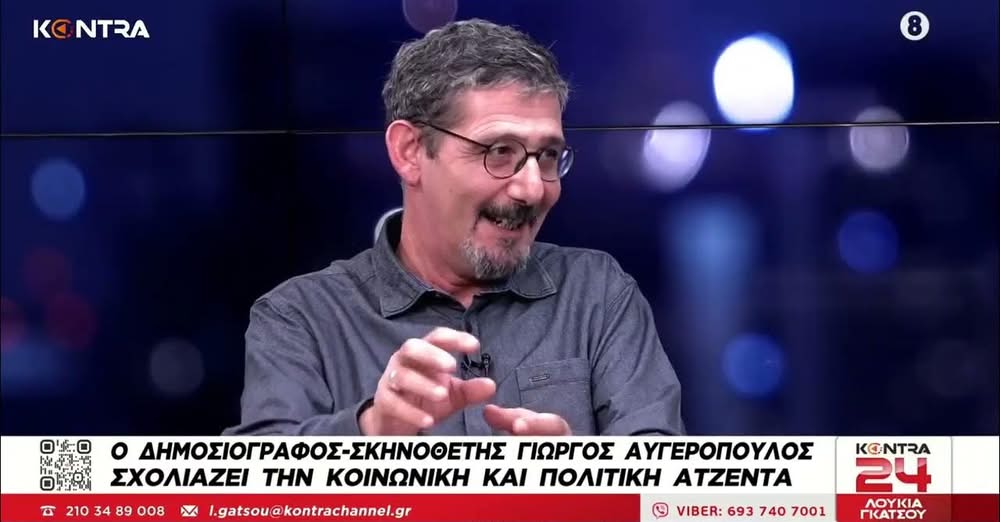
Yorgos Avgeropoulos on Kontra Channel discussing his new film Mankind’s Folly

Yorgos Avgeropoulos on Kontra Channel discussing his new film Mankind’s Folly

🎙️”The #permafrost has trapped within it the age of the Mammoths, all across the Arctic. Inside it lie hundreds of millions of tons of prehistoric organic matter. Beyond the collapse of local human infrastructures, this represents a global transformation, because as all this organic matter resurfaces today, it decomposes and releases enormous amounts of carbon dioxide and methane, thereby altering the climate of the 21st century and accelerating the climate crisis.
 
📺 Yorgos Avgeropoulos was a guest on the show “Kontra24” with Loukia Gatsou on Kontra Channel, discussing his award-winning new film ‘Mankind’s Folly’.
 
▶️ You can find the link to the interview on YouTube ► https://youtu.be/9usU4y_c7L0?si=uJPMmxpPNoRGayrf
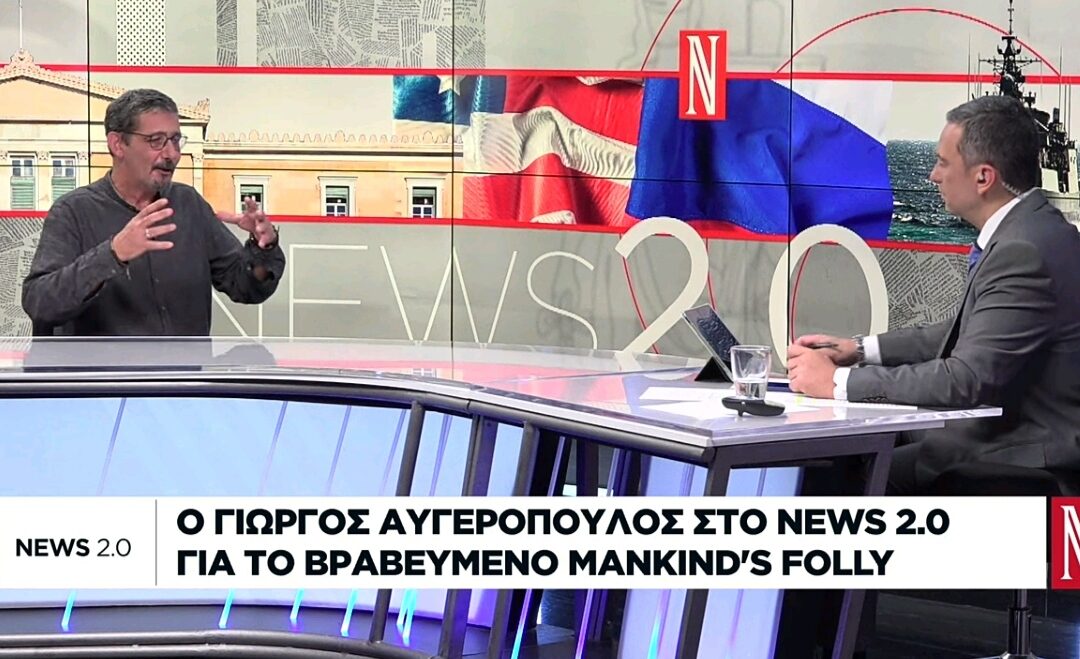
Yorgos Avgeropoulos discusses Mankind’s Folly on Naftemporiki TV

Yorgos Avgeropoulos discusses Mankind’s Folly on Naftemporiki TV

🎙️ “Our entire civilization has been built on fossil fuels. Capitalism itself has been built on fossil fuels — and here lies a fundamental issue, a core dilemma: is this a system compatible with nature? Is it compatible with the way we want to build our future, or should we throw capitalism into the trash bin and invent a new system?”

📺 Yorgos Avgeropoulos was a guest on the show “News 2.0” on Naftemporiki TV with Giorgos Melingonis, discussing his new film ‘Mankind’s Folly’

▶️ You can find the link to the interview on YouTube ► https://www.youtube.com/watch?v=stl7bgucqqQ

Mankind’s Folly in the Greek program of German Radio

Mankind’s Folly in the Greek program of German Radio

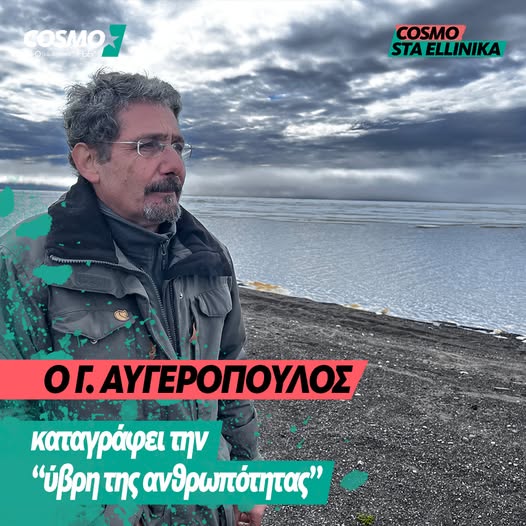
🎙️ “When I saw the permafrost melting before my eyes, in real time, I held my breath.”

Yorgos Avgeropoulos talks about his new film “Mankind’s Folly” on the podcast “Cosmo sta Ellinika” with Sofia Stavrianidou, Andrea Mavroeidi, and Angela Konti on German Radio  ► https://www1.wdr.de/radio/cosmo/programm/sendungen/ellinikorandevou/livestream-elliniko-randevou-100.html

*You can also find related links to the interview on podcast platforms here ► https://www1.wdr.de/radio/cosmo/podcast/podcastpicker/index~_sid-cosmo-sta-ellinika-podcastpicker-100.html

Mankind’s Folly – The new film by Yorgos Avgeropoulos is awarded at the Prix Europa.

Mankind’s Folly – The new film by Yorgos Avgeropoulos is awarded at the Prix Europa.

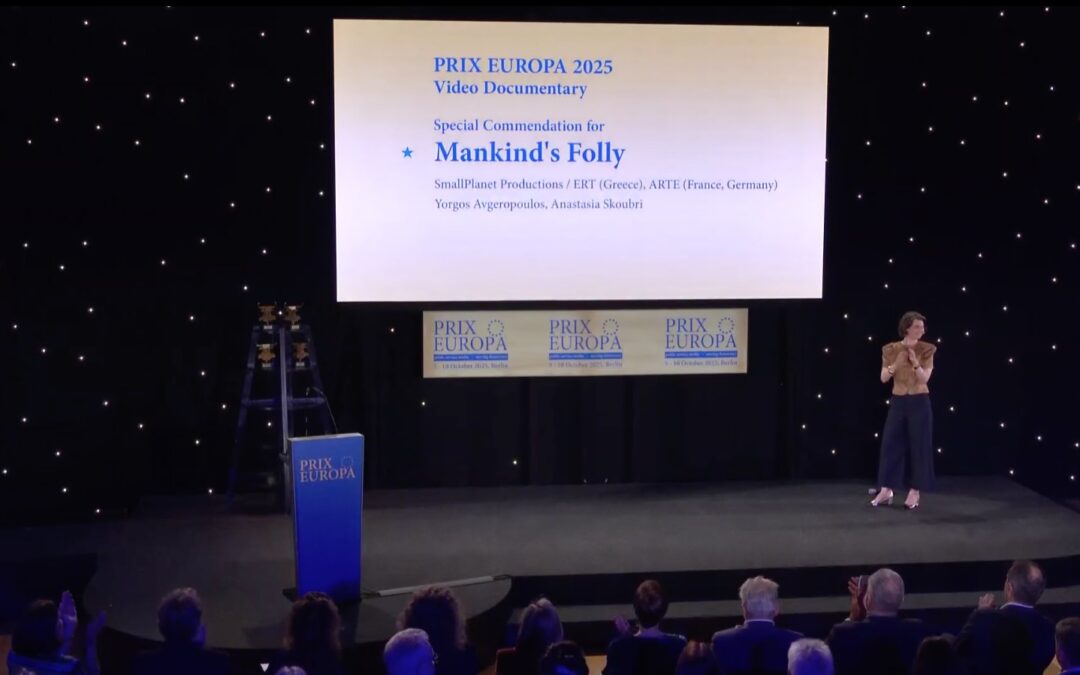
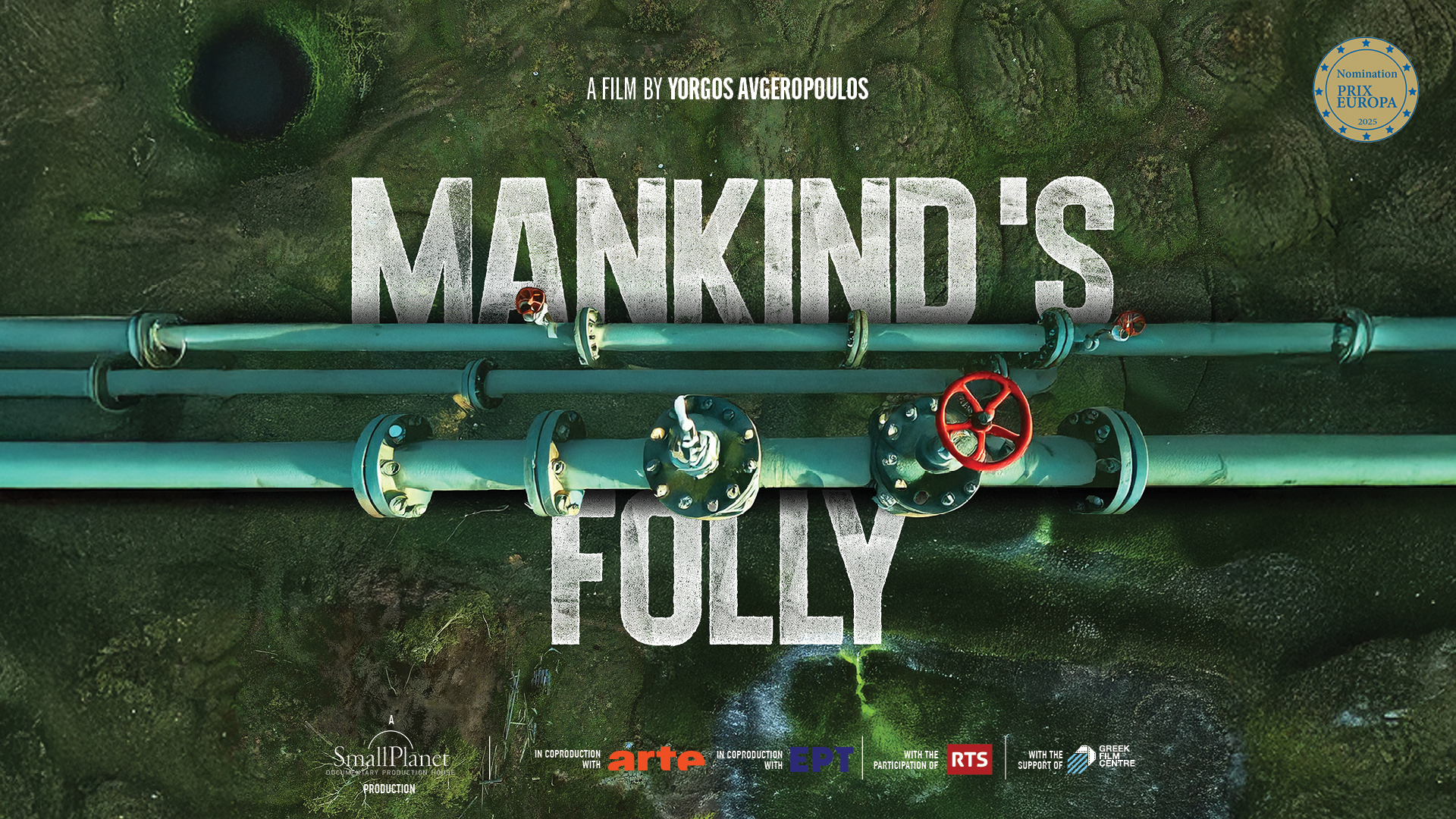
🎬 The new documentary by Yorgos Avgeropoulos is here — and has just been honored with the Special Commendation of the Jury at the Prix Europa 2025 in Berlin.


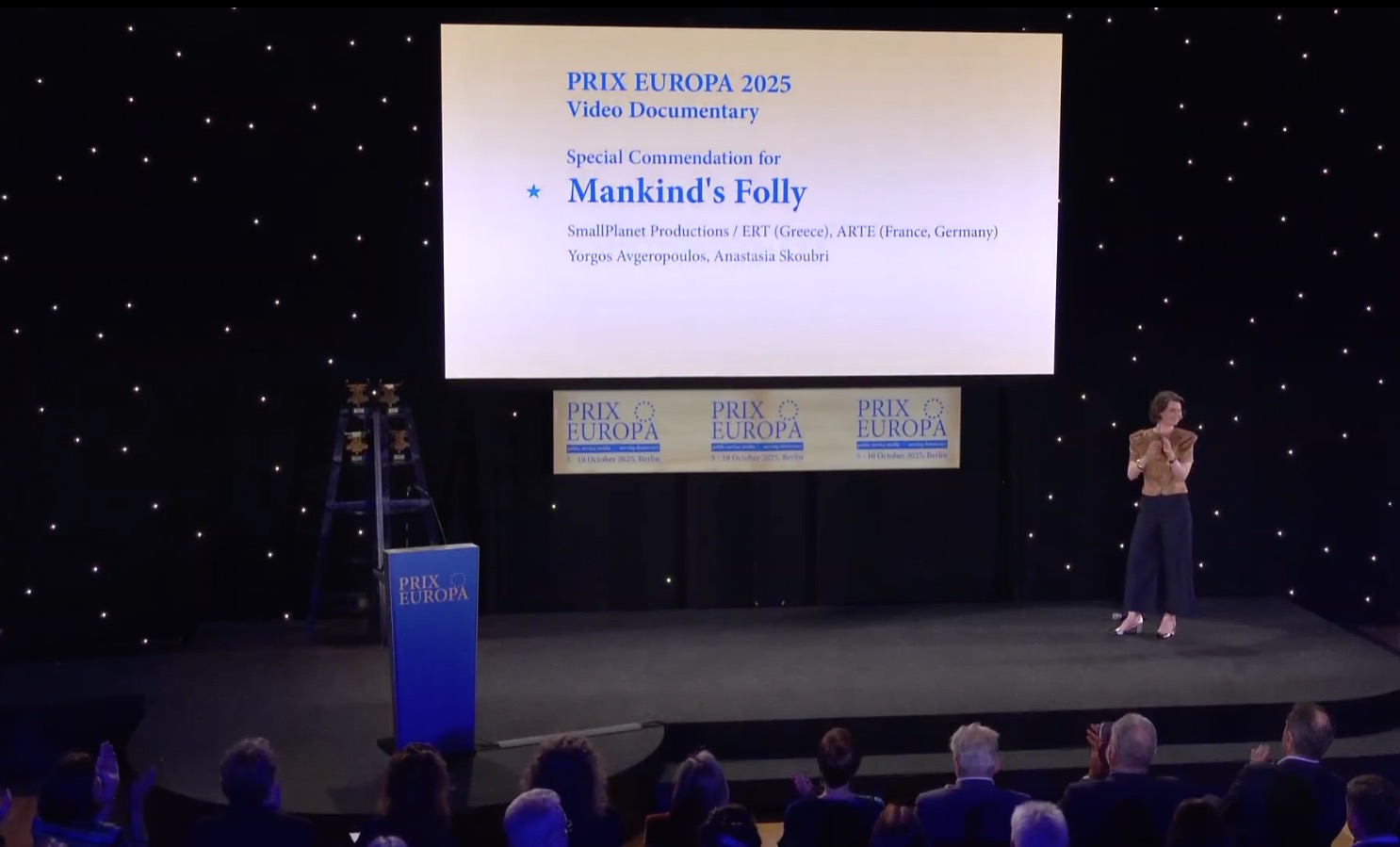
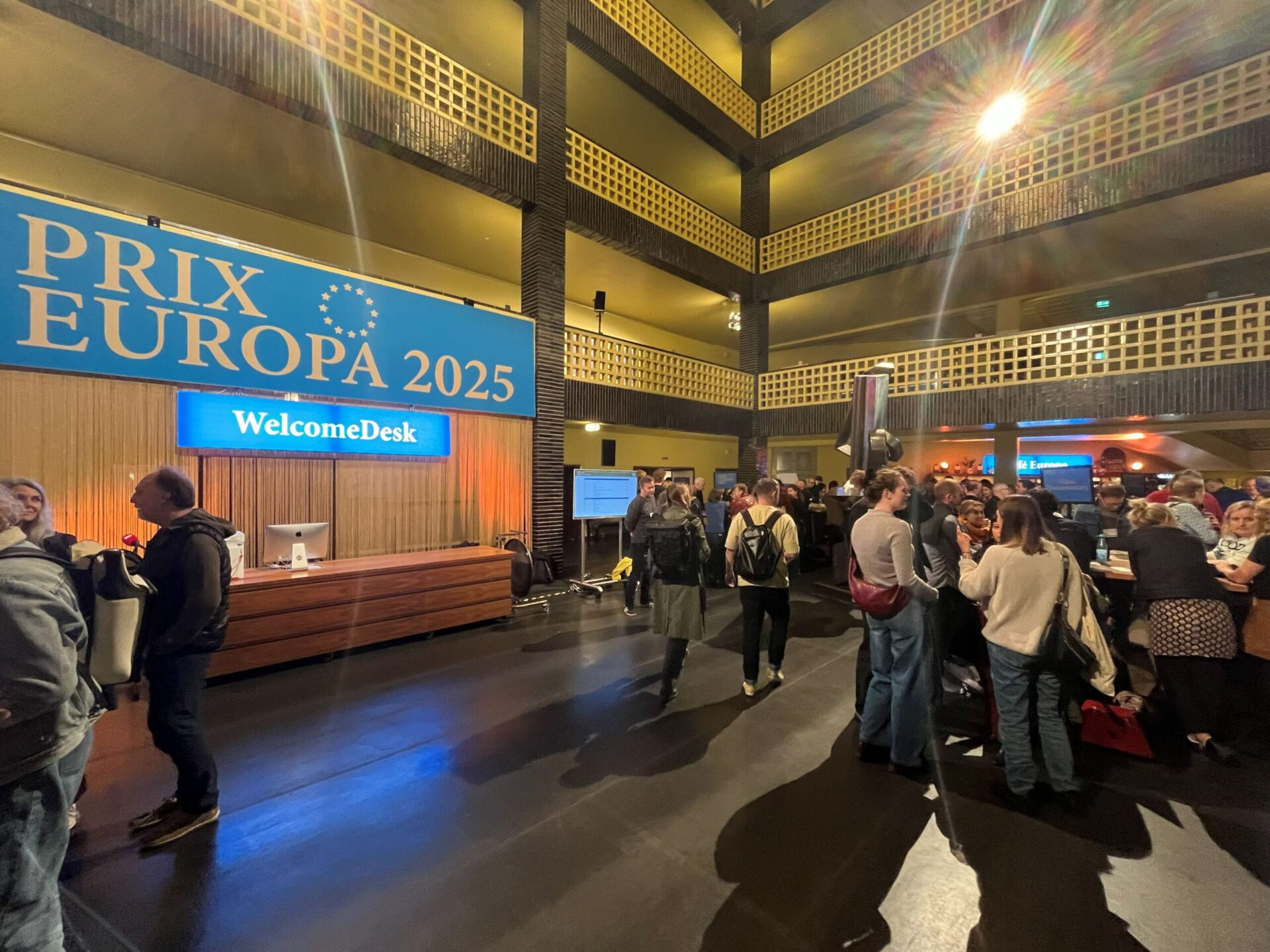
The new documentary Mankind’s Folly by Yorgos Avgeropoulos, produced by Anastasia Skoubri, received the Special Commendation of the Jury in the Documentary category of the Prix Europa 2025, one of Europe’s most prestigious festivals for audiovisual productions, which has just concluded in Berlin.

The film, recently completed after three years in production, ranked second among more than 300 submissions from across the continent, of which only 21 documentaries were selected to compete in the final round of the competition.


This distinction marks an important recognition for a film that once again brings to the forefront the most critical issue of our time: the climate crisis — at a moment when the ambitious commitments of world leaders have faded, lost amid wars and economic uncertainty, and when “energy security” has become the new global doctrine.

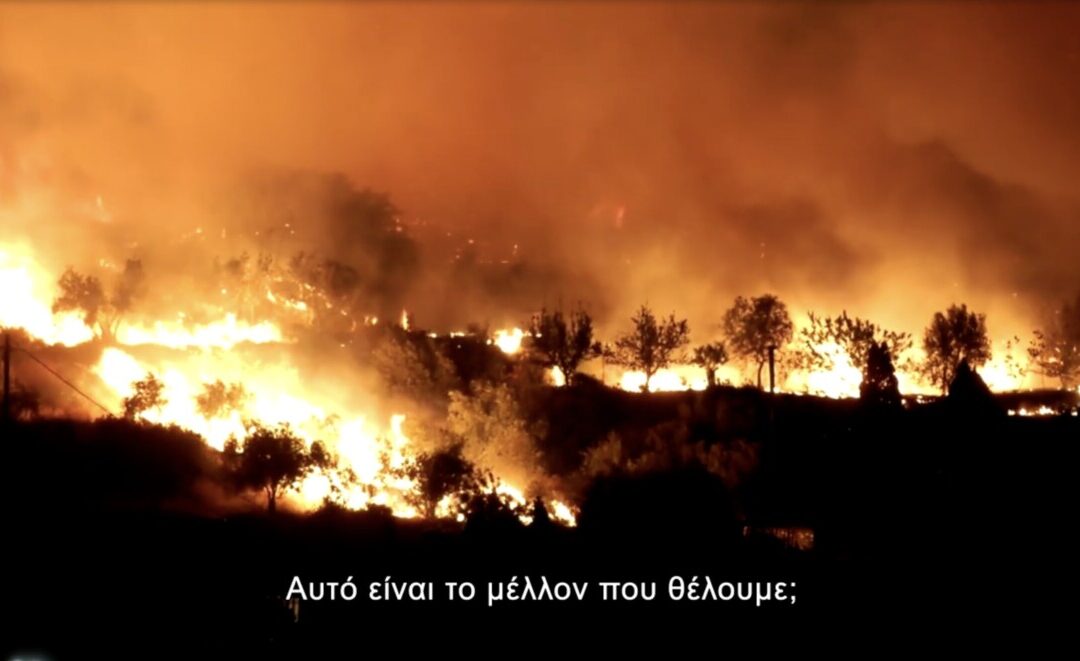
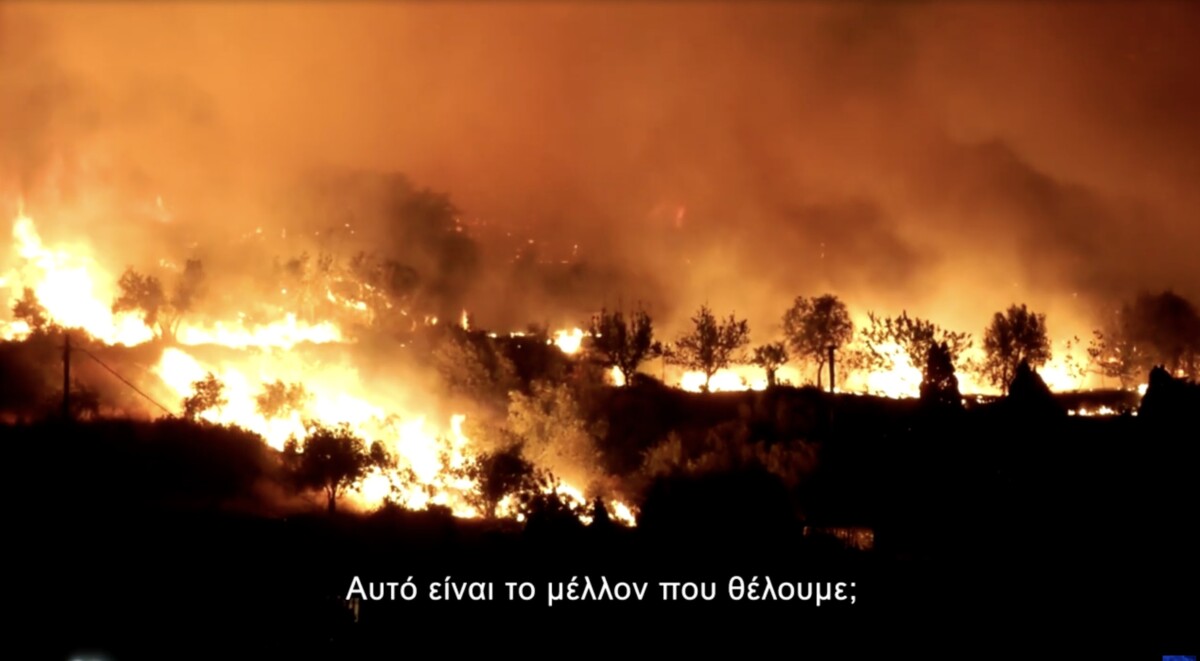
Filmed in the Arctic, Mankind’s Folly follows two people on opposite sides of the Bering Strait: Nikita, in Eastern Siberia, and Martha, in Northern Alaska — both witnessing their world collapse as the permafrost, the ground that has remained frozen for millennia and sealed in the era of the mammoths, now thaws rapidly destabilizing not only their homes and lives but the entire planet.

At the same time, Russian and American oil companies, rapidly expanding their operations in the Arctic, are installing special devices beneath their facilities in an attempt to keep the permafrost frozen and firm enough to sustain the very activities responsible for melting it. The viewer is invited to reflect on this Kafkaesque paradox — a planetary-scale disaster and, ultimately, the very system upon which our societies are built.

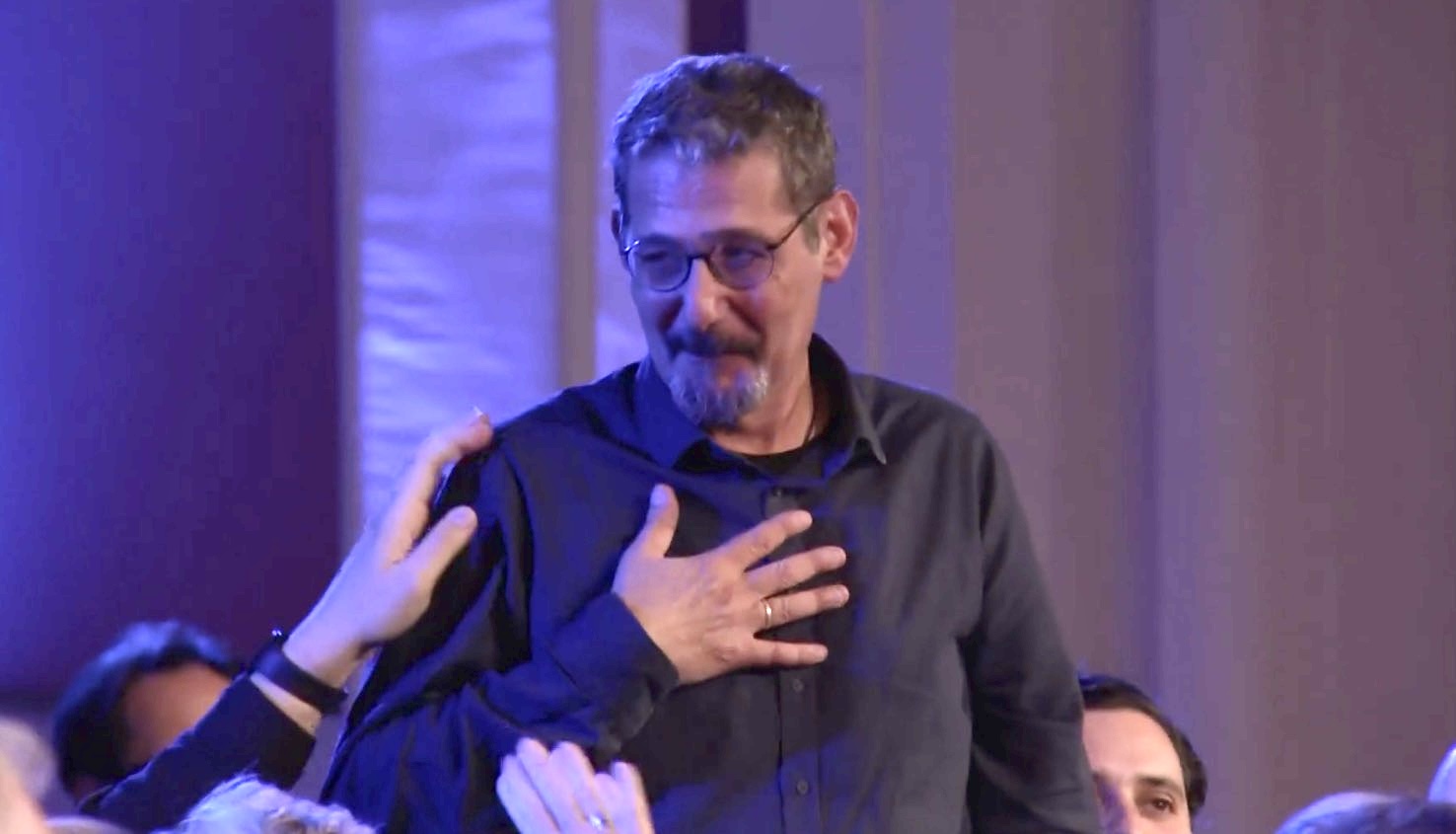
“This award belongs to everyone who contributed to telling this story. It is a film about what we knew, what we ignored, and what we now face as humankind,” said Yorgos Avgeropoulos.
The Prix Europa Jury distinguished Mankind’s Folly for its cinematic strength, production quality, and the profound way in which it highlights a global issue of deep public relevance.

The film is a SmallPlanet production, co-produced with ARTE G.E.I.E and  ΕRΤ, with the participation of RTS Switzerland and the support of the Greek Film Centre.

🎬 Mankind’s Folly — 83’
The new film by Yorgos Avgeropoulos
🏆 Special Commendation of the Jury – Prix Europa 2025

Stay tuned for upcoming festival news and the film’s official premiere.

O μυστικός πόλεμος για το νερό

O μυστικός πόλεμος για το νερό

Το ντοκυμαντέρ «Μέχρι την τελευταία σταγόνα» του Γ. Αυγερόπουλου εξετάζει το πρόβλημα της διαχείρισης του νερού στην Ευρώπη. Μια διερευνητική ματιά στις ιδιωτικοποιήσεις των εταιρειών ύδρευσης σε Ελλάδα και Γερμανία.

Είναι το νερό ανθρώπινο δικαίωμα ή προϊόν της αγοράς; Δημόσια ή ιδιωτική διαχείριση;Το ντοκυμαντέρ «Μέχρι την τελευταία σταγόνα» του σκηνοθέτη Γιώργου Αυγερόπουλου επεξεργάζεται τα ερωτήματα. Προβλήθηκε την εβδομάδα που μας πέρασε στο γαλλογερμανικό δίκτυο ARTE με το οποίο έγινε και η συμπαραγωγή. Ένα συναρπαστικό οδοιπορικό σε έξι χώρες της Ε.Ε., ακολουθεί τη ροή του χρήματος και των εταιρικών συμφερόντων για το πιο ζωτικό συστατικό της ύπαρξής μας, το νερό.

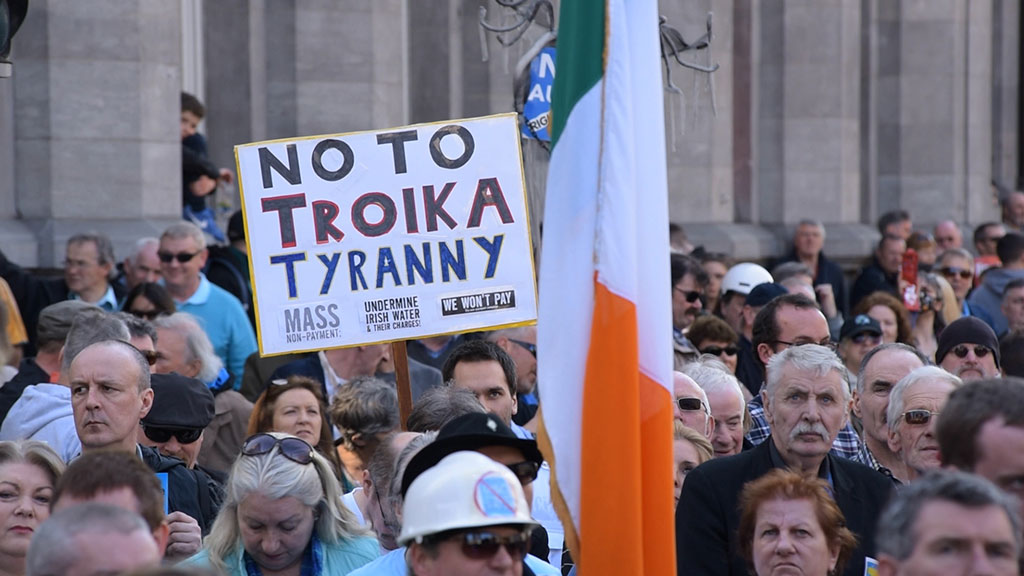
«Παρά τα αποτελέσματα του δημοψηφίσματος, τι σκοπεύετε να κάνετε με το νερό;» έγραφε σε επιστολή του το 2011 στο Σίλβιο Μπερλουσκόνι ο Ευρωπαίος Επίτροπος Όλι Ρεν, έπειτα από απόφαση των Ιταλών με δημοψήφισμα να μην προχωρήσει η ιδιωτικοποίηση του νερού. Η φράση παρακινεί τον έλληνα δημιουργό να ξεκινήσει την έρευνα. Ενώ Γαλλία και Γερμανία προχωρούν σε δημοτικοποιήσεις και πάλι των δημόσιων εταιρειών ύδρευσης, στις χώρες του ευρωπαίκού Νότου παρατηρείται έντονη πίεση για ιδιωτικοποίησεις. «Οι επαναδημοτικοποιήσεις δεν είναι καλό νέο για τις ιδιωτικές εταιρίες. Έτσι ασκούνται πιέσεις από την οικονομική και πολιτική ελίτ της Ευρώπης μέσω της Ευρωπαϊκής Επιτροπής για να βρεθούν νέες αγορές. Οι πιο ευάλωτες για να δεχτούν ιδιωτικοποιήσεις είναι οι χώρες σε κρίση. Όλες οι χώρες που υπέγραψαν μνημόνιο, υπέγραψαν όρους και προβλέψεις που αφορούν το νερό»,δήλωσε μιλώντας στη Deutsche Welle o Γ. Αυγερόπουλος.

Γιατί όμως τόσο ενδιαφέρον για το νερό; «Αποτελεί μια πολύ κερδοφόρα επένδυση με σταθερή πελατεία. Είναι μονοπώλιο με απίστευτη διασφάλιση κερδών.Μια απολύτως επιτυχημένη συναλλαγή», τονίζει ο έλληνας δημιουργός εξηγώντας τους κιδύνους από μία τέτοια εξέλιξη:«Θα ήμασταν άδικοι αν απαιτούσαμε να σκέφτεται ένας ιδιώτης μακροπρόθεσμα. Τα μεγαλύτερα συμβόλαια διαρκούν 25-30 χρόνια. Ένας ιδιώτης αποσκοπεί στο κέρδος, σκέφτεται μέχρι το τέλος της σύμβασης και όχι για τις επόμενες γενιές. Αυτό έχει ως αποτέλεσμα όπου υπάρχει ιδιωτική διαχείριση να παρατηρείται αύξηση των τιμολογίων κατανάλωσης και εξαιτίας της έλλειψης επενδύσεων να χειροτερεύει η ποιότητα του νερού».

H περίπτωση της Ελλάδας

Το έργο ανιχνεύει προσεκτικά την περίπτωση της Ελλάδας. Έλληνες αξιωματούχοι παίρνουν θέση μπροστά στην κάμερα υπέρ και κατά της ιδιωτικοποίησης. Παρά την απόφαση του ΣτΕ για αντιστυνταγματικότητα της ιδιωτικοποίησης της ΕΥΔΑΠ και το “όχι” των Θεσσαλονικέων στο δημοψήφισμα του 2014 για την ιδιωτικοποίηση της ΕΥΑΘ, οι δημόσιες επιχειρήσεις ύδρευσης σε Αθήνα και Θεσσαλονίκη βρίσκονται ψηλά στη λίστα των αποκρατικοποιήσεων με κυρίαρχο το ενδιαφέρον των γαλλικών πολυεθνικών εταιρειών, όπως αποτυπώνεται στο ντοκυμαντέρ.Ήδη στην περίπτωση της ΕΥΑΘ η γαλλική εταιρεία SUEZ κατέχει το 5,46% της εταιρείας ενώ βρίσκεται προς πώληση ένα ακόμη 23% των μετοχών με ισχυρές αντιδράσεις απο τους πολίτες. Χαρακτηριστική στο ντοκυμαντέρ είναι η αποστροφή του Ζαν-Μισέλ Χερβίν, ειδικού συμβούλου της γαλλικής εταιρείας VEOLIA: «Δεν ενδιαφερομαστε για ιδιωτικοποιήσεις στην Ελλάδα γιατί δεν ταιριάζουν στη φιλοσοφία μας. Μπορεί να είναι ριψοκίνδυνο γιατί δεν υπάρχει το απαραίτητο δικαίωμα συναπόφασης των πολιτών. Είναι ευαίσθητο πολιτικό ζήτημα όπου η δημοκρατική συμμετοχή είναι αναπόφευκτη».Ο Γ.Αυγερόπουλος βλέποντας τα παραδείγματα των ιδιαίτερα ευνοϊκών όρων στις συμβάσεις που υπογράφονται με ιδιωτικές εταιρίες στην Ευρώπη κρούει τον κώδωνα του κινδύνου για την ελληνική περίπτωση:«Οι άνθρωποι που θα ασχοληθούν αν βρεθεί αγοραστής θα πρέπει να εξετάσουν προσεκτικά τη διεθνή εμπειρία και να είναι εξαιρετικά προσεκτικοί με τους όρους που θα υπογράψουν, οι οποίοι συχνά παρουσιάζονται ως αδιαπραγμάτευτοι».

Το παράδειγμα του Βερολίνου

Με πρωτοβουλία της πρώην γερμανίδας βουλευτή στο τοπικό κοινοβούλιο του Βερολίνου Γκερλίντε Σέρμερ, οι πολίτες του Βερολίνου προσέφυγαν στο Συνταγματικό Δικαστήριο και ζήτησαν να έρθουν στο φως της δημοσιότητας τα συμβόλαια που είχαν υπογραφεί με τις ιδιωτικές εταιρίες που διαχειρίζονταν το νερό της πόλης. Αποκρούωντας το επιχείρημα της προστασίας του βιομηχανικού και εμπορικού απορρήτου και αποδεχόμενο το νερό ως ανθρώπινο δικαίωμα, όπως έχει αναγνωριστεί από τον ΟΗΕ, το Συνταγματικό Δικαστήριο επέτρεψε την αποκάλυψη των συμβολαίων, το οποίο και έγινε με τη σύμφωνη γνώμη του 90% των Βερολινέζων σε δημοψήφισμα που διεξήχθη το 2011. «Όλοι πληρώνουμε και όλοι έχουμε δικαίωμα να μάθουμε», λέει χαρακτηριστικά στο ντοκυμαντέρ η Γκερλίντε Σέρμερ.Τι έδειξε το άνοιγμα των συμβολαίων; Ο δήμος του Βερολίνου είχε εγγυηθεί τα κέρδη των ιδιωτικών επιχειρήσεων νερού για τριάντα χρόνια. Με άλλα λόγια, αν η κατανάλωση ήταν χαμηλότερη, οι ιδιώτες είχαν δικαίωμα προσφυγής σε διαιτητικά διακστήρια με δικαίωμα αποζημίωσης για διαφυγόντα κέρδη.«Λέγεται ότι ο ιδιωτικό επιχειρείν συνάδει με την ανάληψη ρίσκου. To ρίσκο σε αυτή την περίπτωση όμως ήταν μηδενικό και το κόστος μετακυλίεται στους πολίτες», τονίζει στο ντοκυμαντέρ η Κρίστα Χέχτ, διευθύντρια της ένωσης των δημόσιων επιχειρήσεων νερού στη Γερμανία.Υπό την πίεση της κοινής γνώμης η πόλη επαναδημοτικοποιεί το νερό της το 2014 με κόστος εξαγοράς 1,3 δισ ευρώ. «Μόλις μια ιδιωτική εταιρεία μπαίνει στο παιχνίδι, είναι δύσκολο να φύγει και αν φύγει η αποζημίωση είναι στο ανώτατο επίπεδο», σχολίασε μιλώντας στη Deutsche Welle ο Γιώργος Αυγερόπουλος.

«Το Βερολίνο δεν είναι η μοναδική περίπτωση μεγαλούπολης ση Γερμανία που πάλεψε για την επαναδημοτικοποίηση του νερού. Άλλο ένα παράδειγμα είναι η Στουτγκάρδη», επισημαίνει η Κλαούντια Μπούχερ, συμπαραραγωγός του έργου από το τηλεοπτικό δίκτυο ARTE, πιστεύοντας πως: «Μόνο όταν οι πολίτες οργανώνονται μπορούν να καταφέρουν κάτι». Για την ίδια δεν αποτελεί ένα αντιευρωπαίκό φιλμ αλλά ένα φως στο πρόβλημα: «Το ντοκυμαντέρ έρχεται αντιμέτωπο με τους ευρωπαίους αξιωματούχους και τις ιδιωτικές εταιρίες, δείχνοντας το έλλειμμα δημοκρατίας στην Ευρώπη».

Αντιδράσεις

Στην πρώτη του δημόσια τηλεοπτική προβολή σε Γερμανία και Γαλλία το έργο έγινε δεκτό με ενθουσιασμό από το κοινό και απέσπασε υψηλά μερίδια τηλεθέασης. «Ένα αριστούργημα που αποδεικνύει την πολιτική διπλών προτύπων της Ευρωπαίκής Επιτροπής», «Οι ευρωπαίοι πολίτες αγωνίζονται για το νερό, την κινητήρια δύναμη της ζωής[..] Δεν είναι μια κερδοφόρα αγορά για τις πολυεθνικές εταιρίες. Ένα συναρπαστικό ντοκιμαντέρ που εμπνέει πραγματικό θυμό», ήταν μερικά από τα σχόλια στο twitter, ενώ χαρακτηριστικό ήταν το σχόλιο της Νόρεεν Μέρφι από το κίνημα ενάντια στην ιδιωτικοποίηση του νερού στην Ιρλανδία..«Αν γνωρίζετε έστω και λίγο γερμανικά, δείτε το. Αν όχι, δείτε το σε κάθε περίπτωση. [..] Παλέψαμε το πρώτο μισό του αγώνα, ελπίζω να είστε έτοιμοι για το δεύτερο μισό».

Το ντοκυμαντέρ παρουσιάστηκε με μεγάλη επιτυχία σε Βερολίνο, Στρασβούργο και στην Ελλάδα με τις συζητήσεις να είναι εξαιρετικά ζωντανές. Όπως τονίζει ο δημιουργός Γ. Αυγερόπουλος: «Οι πολίτες έχουν τις ίδιες αγωνίες και αναζητήσεις σε όλες τις χώρες. Αυτό που μου έμαθε το έργο είναι ότι μικρές ομάδες ανθρώπων μπορούν να καταφέρουν πολύ μεγάλα πράγματα. Το νερό είναι κάτι που μας ενώνει όλους, έχουμε τις ίδιες απαιτήσεις από την Ευρωπαίκή Επιτροπή. Θα αποτελέσει ένα από τα βασικότερα ζητήματα αυτών που θέλουν μια πιο κοινωνική Ευρώπη. Όταν γράφουμε νερό διαβάζουμε δημοκρατία».

Για όσους δεν κατάφεραν να παρακολουθήσουν το «Μέχρι την τελευταία σταγόνα» τηλεοπτικά, το ντοκυμαντέρ είναι διαθέσιμο για περίπου ένα μήνα ακόμη στην ιστοσελίδα του ARTE, στη γερμανική και γαλλική γλώσσα.

Διογένης Δημητρακόπουλος

European distinction for Up to the Last Drop

European distinction for Up to the Last Drop

Up to the Last Drop by Yorgos Avgeropoulos ranked in the fifth place on the category Best TV documentary of the year in the pan-European contest Prix Europa, which took place in Berlin. In this category competed 25 films from 14 European countries, each one leaving its very own creative footprint and enriching the European public debate. This year, more than 200 audiovisual projects participated in Prix Europa, proving that the competition which was established in 1987, has become an important event attracting hundreds of creators.

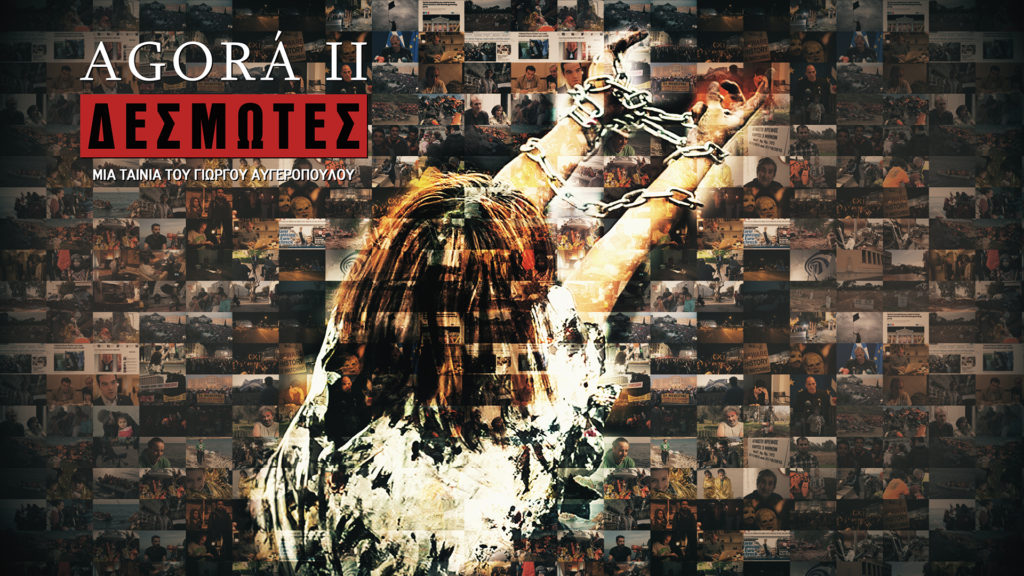
Chained (AGORÁ II) in the competitive section of the 14th LAGFF

Chained (AGORÁ II) in the competitive section of the 14th LAGFF

Chained (AGORÁ II) by @Yorgos Avgeropoulos will premiere in North America on October 1, 2020, in the context of the 14th Los Angeles Greek Film Festival, which this year will be held online, due to the Covid-19 pandemic. Chained will compete in the documentary category among 12 other productions of Greek filmmakers from around the world. LAGFF constitutes a platform of cross-cultural dialogue and a meeting of people and ideas, in which internationally renowned filmmakers, producers and directors have participated in the past.

Find the entries here: http://lagff.org/festival/films/documentaries/